Words by
Jemma
There is a certain kind of ad that stops the scroll. No glossy studio lighting, no professional talent, no polished edit. Just a person holding a product, talking to the camera. That format, what the industry calls UGC or user-generated content, has quietly become one of the highest-converting ad types on Meta and TikTok. And now AI can produce it at scale, without a single real creator.
This is not a hypothetical trend. Brands are running AI UGC ads right now. Some are seeing lower CPAs, faster creative cycles, and more variants to test. Others are learning hard lessons about what AI still cannot fake. Here is what is actually working.
Why UGC Outperforms Studio Production
The reason UGC works has nothing to do with production value. It works because it looks like something a real person chose to share. It bypasses the mental filter that switches off the moment a viewer recognizes an ad.
UGC-style content drives around a 10% lift in conversions on ecommerce product pages. On paid social, it consistently wins in A/B tests against polished production, particularly in the first three seconds of video where hook retention matters most.
The problem has always been supply. Real creators take time to brief, ship to, wait on, and edit. Campaigns that need 20 creative variants a month hit a wall fast. That is the gap AI now fills.
What AI UGC Ads Actually Look Like
Most AI UGC tools work the same basic way: they generate a synthetic avatar or use AI video synthesis to produce a person-to-camera video. You feed in a script, pick a persona, and the output looks like someone filming a review from their bedroom.
The quality gap that existed two years ago has mostly closed. Current avatar technology handles natural eye movement, skin texture, and lip sync well enough that the average feed-scroller does not pause to question it. The uncanny valley is still there if you look for it, but at 1.5x playback speed scrolling through Instagram, it does not matter.
What still reads as AI: the slightly too-composed posture, the absence of fidgeting, hands that hold products without the unconscious micro-adjustments real people make. Brands that use these ads without layering in real product footage alongside them often get flagged in comment sections.

The Real Cost Comparison
Hiring a UGC creator for a single video typically costs $150 to $500 depending on their audience size and the deliverable complexity. If you want 15 variations with different hooks, angles, and scripts, you are looking at a meaningful budget before you have run a single dollar of media spend.
AI UGC platforms charge monthly subscriptions, usually $100 to $500 per month for unlimited or high-volume output. The math shifts quickly when you are running creative-heavy performance campaigns. A team that previously shipped 4 creator videos per month can now generate 40.
The hidden cost that does not show up in tool pricing is creative strategy. AI produces whatever you brief it to produce. Bad scripts get better production, not better performance. Someone still needs to write the hooks, iterate on the positioning, and decide which variants to scale. That is where most brands underinvest.
How Brands Are Scaling AI UGC
The most effective approach I have seen combines AI video with real product footage. The avatar delivers the hook and narration while actual product shots, lifestyle images, or quick demos play underneath. This gives you the scroll-stopping authenticity of a person talking while the product footage handles credibility.
Brands running aggressive creative testing are using AI UGC to generate five different hooks for the same core message, then letting spend data determine which one wins. Instead of waiting three weeks for creator content, the creative cycle runs in days. Winning hooks get layered into real creator briefs later.
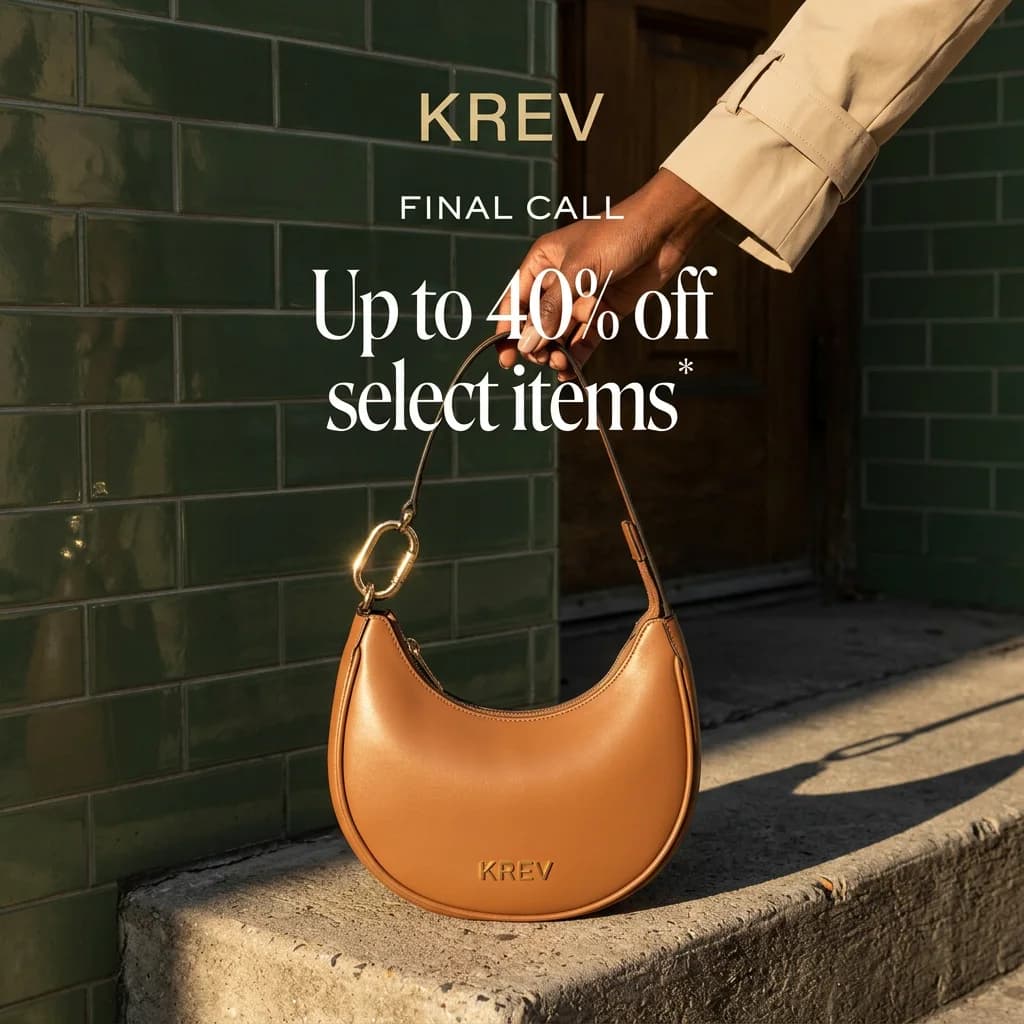
The product image layer matters more than most brands realize. A person hyping a blurry or poorly-lit product photo undercuts the whole ad. This is where AI-generated product imagery from tools like Krev changes the output. High-quality product visuals paired with AI UGC video produces a much more convincing ad than either element on its own.

What AI UGC Still Cannot Do
Authenticity signals that come from the body are hard to fake at scale. The slight pause before someone answers their own question. The moment they lose track of the script and laugh. The way real people actually touch products, turn them over, look at the label. AI avatars deliver the words. They do not deliver the personality.
There are also disclosure requirements to be aware of. New York legislation passed in 2025 requires labeling of synthetic influencer content in paid ads. More jurisdictions are following. Brands using AI UGC without disclosure are taking on legal and reputational risk, particularly in regulated categories like health, beauty, and supplements.
Platform fatigue is also real. As AI UGC becomes more common, audiences are getting better at identifying it. The same avatar in ten different ads for different brands, using the same head movements and vocal cadence, will get noticed. Variety matters more than it did twelve months ago.
How to Start Testing AI UGC Today
Start with your top three performing products and write five hook variations for each. Different angles: problem-led, social proof, before-after, how-it-works, direct CTA. Use an AI UGC tool to produce one avatar video per hook. Keep them short, 15 to 30 seconds.
Layer in real product imagery. If you are generating those with Krev, make sure the shots match the context of the ad. An avatar talking about a skincare product should be paired with clean, close-up product images, not lifestyle shots that look like they belong in a different campaign.
Run it as a test, not a replacement. AI UGC works best as part of a creative mix, not the whole program. Use it to move fast, find what works, then bring real creators in to scale what the data tells you to scale.
If the product visual layer is holding your ads back, that is what Krev solves. Generate product images that are actually good enough to carry an ad. Try it at krev.ai.
 7-day money-back guarantee.